The Rise of Anatoly, Vladimir Shmondenko, Bodybuilders, Fitness, Gym — From Village Trenches to Viral Gym Pranks

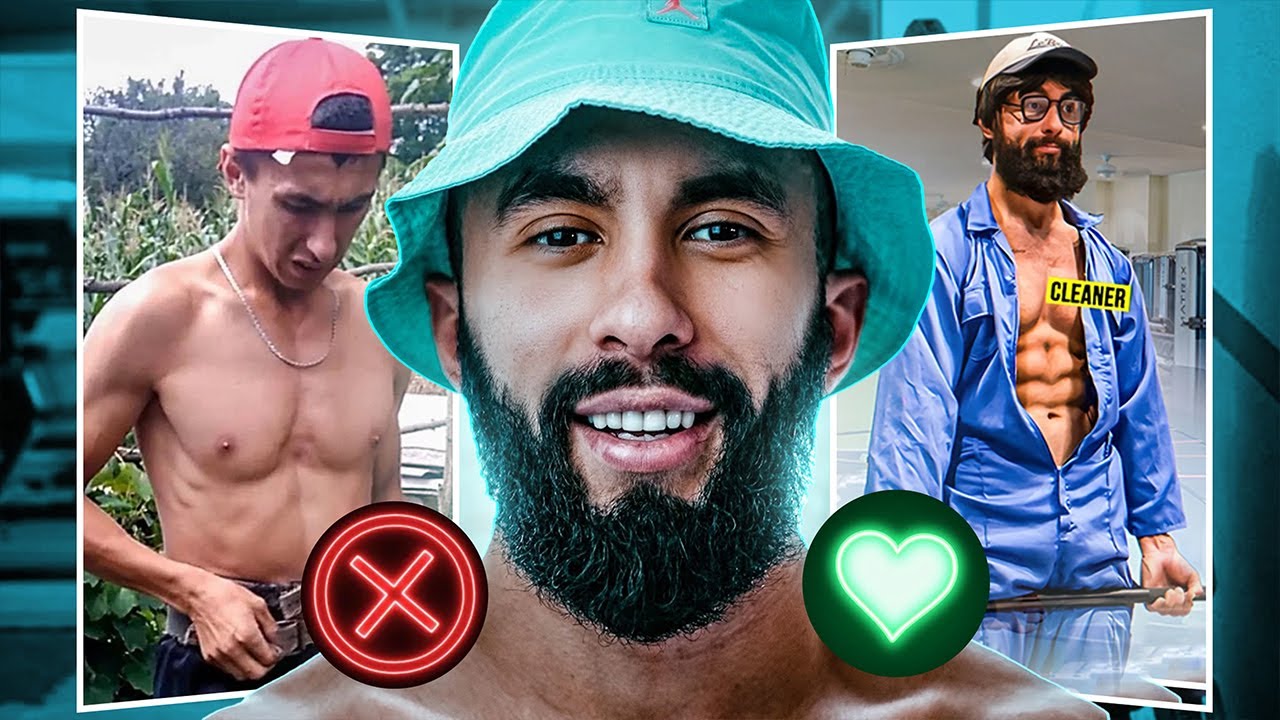
The story of Anatoly, Vladimir Shmondenko, Bodybuilders, Fitness, Gym reads like a modern athletic fable: a small-town teenager with improvised equipment, relentless discipline, and a camera, who transformed into one of powerlifting’s most visible personalities and an online phenomenon. This article maps his journey — the training, the pranks, the setbacks, and the unexpected ways he reshaped how people think about strength, showmanship, and social media in sport.
Table of Contents
- From Kryshtopivka to Kyiv: Roots of a Relentless Mindset
- DIY Iron: Building a Gym from Tractor Parts
- Kyiv, Camera, and the First Steps into Content
- Competitions, Moscow, and Elite Status
- Pranks, Personas, and the Viral Breakthrough
- War, Dubai, and an English-Speaking Pivot
- Training, Injury, and the Limits of Competition
- Nutrition, Routine, and Farm-Earned Resilience
- Showmanship Meets Strength: Collaborations and Cultural Impact
- Business, Brand, and a New Model for Strength Athletes
- Training Philosophy: What Makes Vladimir Different
- Why Anatoly Mattered — Beyond Views and PRs
- Mentorship and the Next Generation
- Personal Life and Human Details
- Timeline at a Glance
- Frequently Asked Questions
- Final Thoughts: What to Learn from Vladimir’s Journey
From Kryshtopivka to Kyiv: Roots of a Relentless Mindset
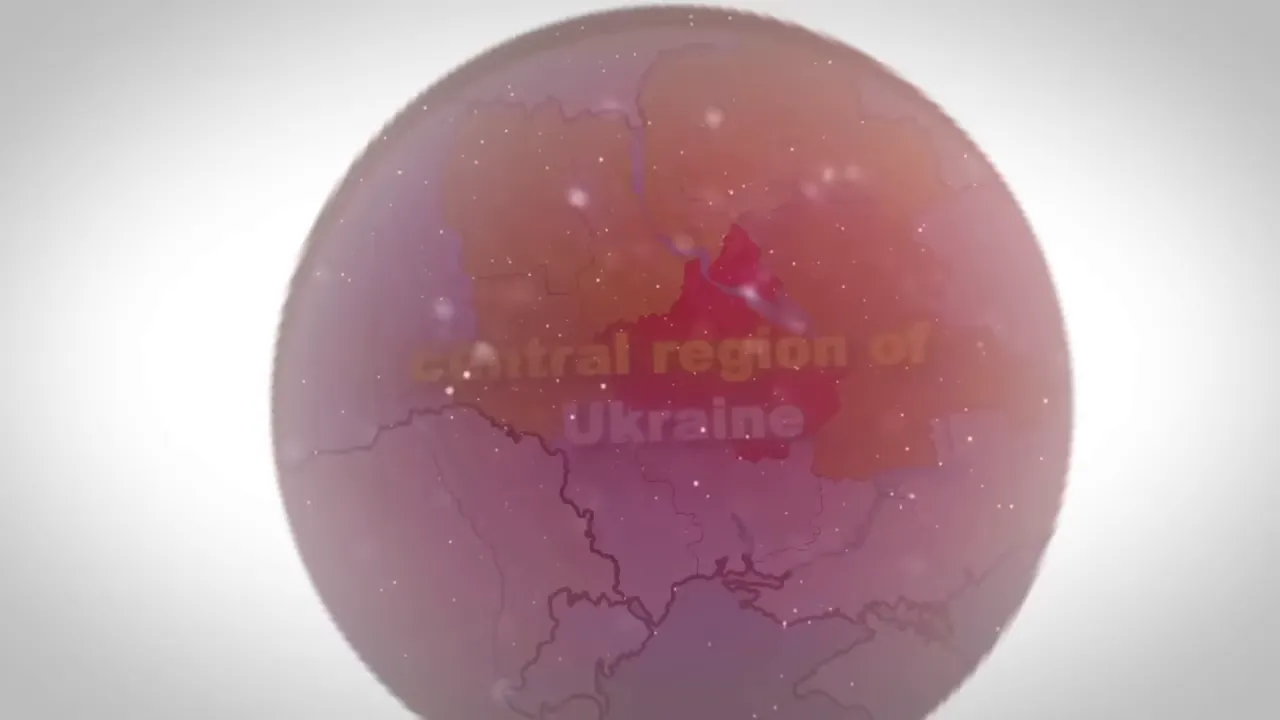
Vladimir Shmondenko was born on August 10, 1999 in Kryshtopivka, a rural settlement in Ukraine with no more than a few hundred residents. That environment could have meant anonymity — instead, it became a proving ground. Early on he was teased for being small, and the image of him packing oats to school became emblematic: he ate relentlessly to fuel growth while working on the family farm. Hard manual labor, long days and chores taught Vladimir discipline long before any coach did.
During the first flush of internet access at age 14, videos of American bodybuilders and fitness influencers captivated him. He leaned into those role models, turned curiosity into daily practice, and began learning everything he could about form, volume, and nutrition. The combination of farm labor and disciplined gym time forged a stamina and a work ethic that would carry him beyond the limits others assumed he had.
DIY Iron: Building a Gym from Tractor Parts
There was no commercial gym in Kryshtopivka. So Vladimir built one. Using parts from Soviet-era tractors, wood, and bricks, he assembled makeshift rigs and even fashioned a powerlifting belt from a horse harness. His early training equipment was far from professional, but it taught an important lesson: resourcefulness can substitute for resources when purpose and consistency are present.
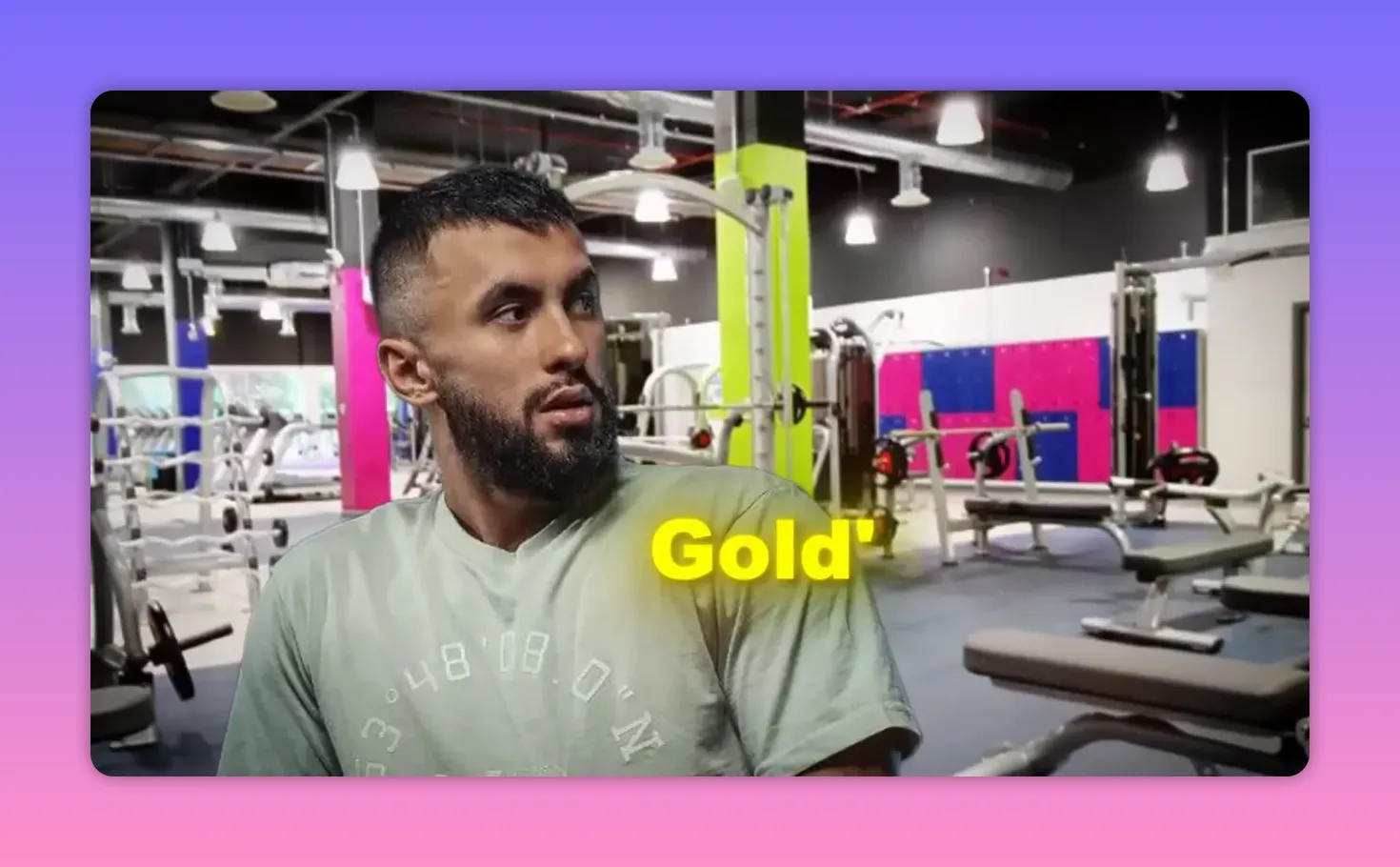
He called his improvised facility “Gold’s Gym Kryshtopivka,” a wink at aspiration and a reminder that a name can be a promise. That promise — to train, record progress and never stop improving — was the foundation of every lift and every uploaded clip that followed.
Kyiv, Camera, and the First Steps into Content
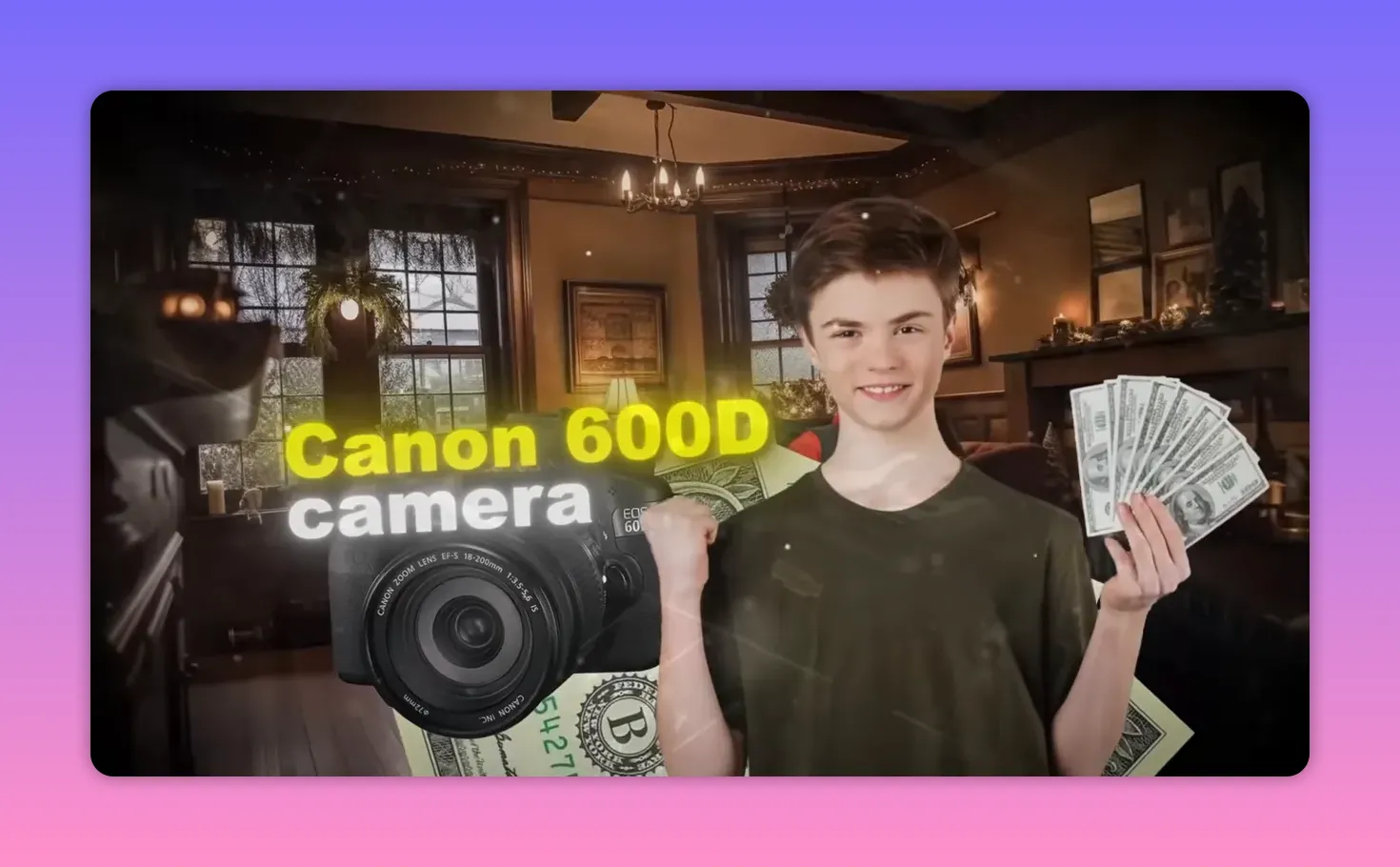
In 2016 Vladimir moved to Kyiv to study at the National University of Life and Environmental Sciences of Ukraine. Between classes, he took on jobs as a waiter and courier to buy better equipment — namely a Canon 600D — so he could document workouts with higher production value. His habit of filming sets, analyzing technique and posting progress stitched training to storytelling.
Posting his first YouTube video on December 20, 2015, he began a slow ascent. By the end of 2019 his channel had amassed tens of thousands of subscribers. More importantly, the disciplined recording of training sets allowed him to refine technique, iterate programming and accumulate reliable data on his own progress.
Competitions, Moscow, and Elite Status
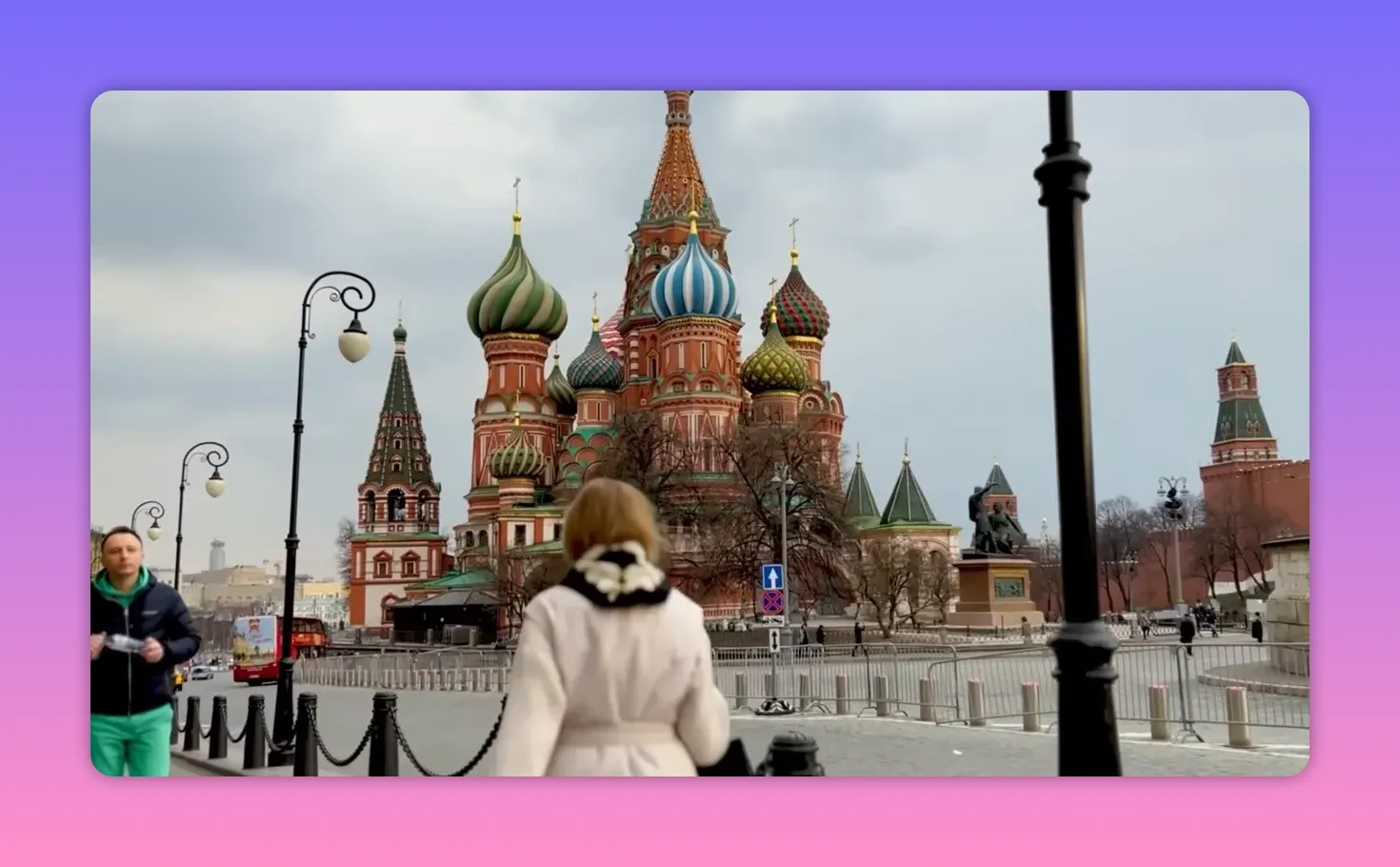
Competitive success followed his deliberate practice. Regional and world championship podiums in 2018 validated his approach. With little more than a one-way ticket and $1,000 in his pocket, Vladimir moved to Moscow to push his competitive career further. The gamble paid off: he competed at the Moscow Open Cup and, by 2020, obtained the rank of Master of Sports of International Class — an elite designation granted to athletes whose totals place among the top ten in their weight class.
His recorded bests — a 290 kg deadlift and a 210 kg squat (as of June 2023) — demonstrate the serious strength behind the theatrics. These aren’t just flashy internet lifts; they are marks of an athlete who trained with intent and measured his progress against objective standards.
Pranks, Personas, and the Viral Breakthrough
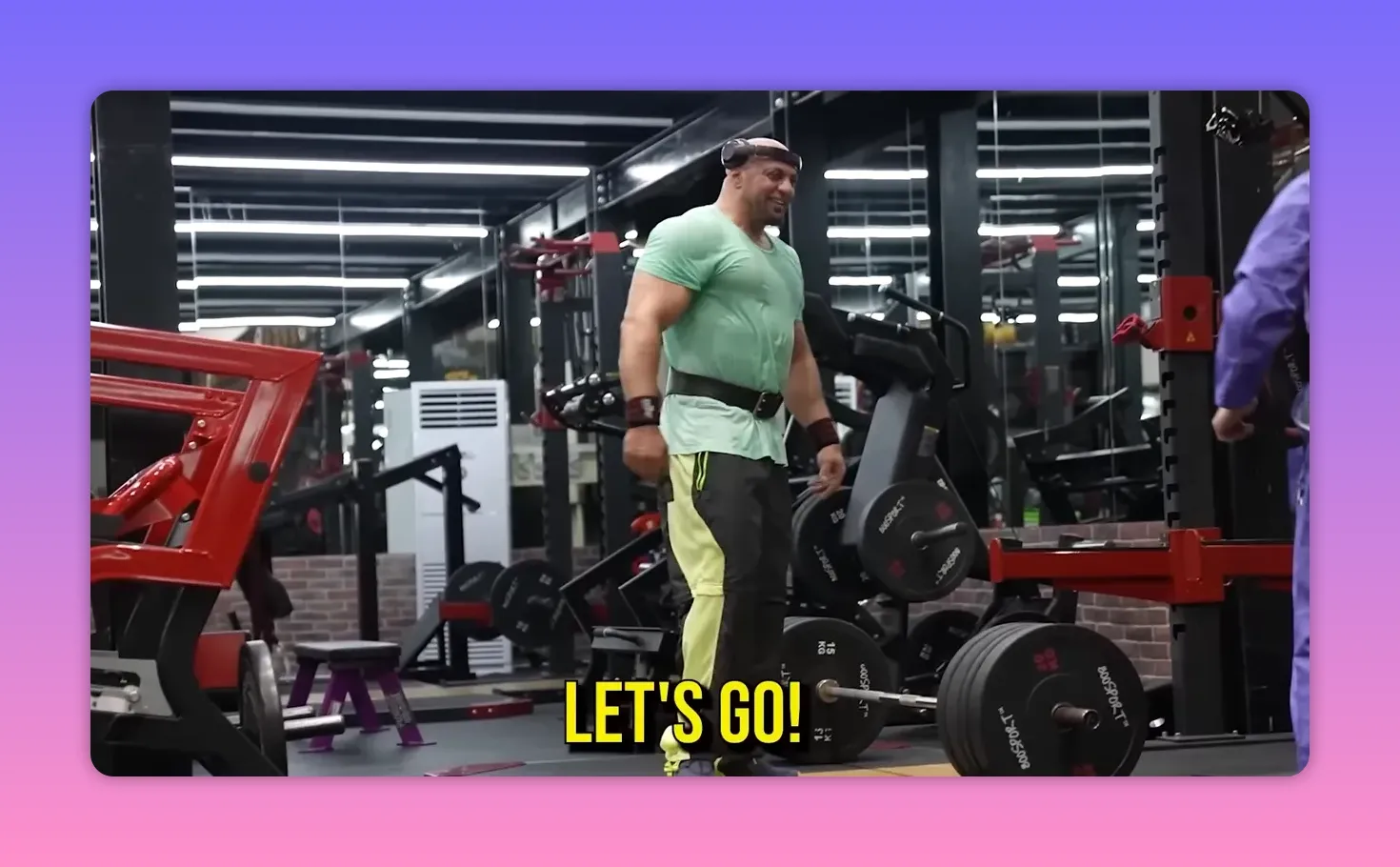
As his technical skill matured, Vladimir discovered a different way to capture attention: pranks. Donning disguises — a janitor, an elderly man, or a clueless beginner — he approached gym-goers and, often from behind, asked to try their weights. The reactions became the focal point: skeptical looks, outright mockery, followed by stunned silence when the disguised cleaner or old man matched or surpassed their lifts.
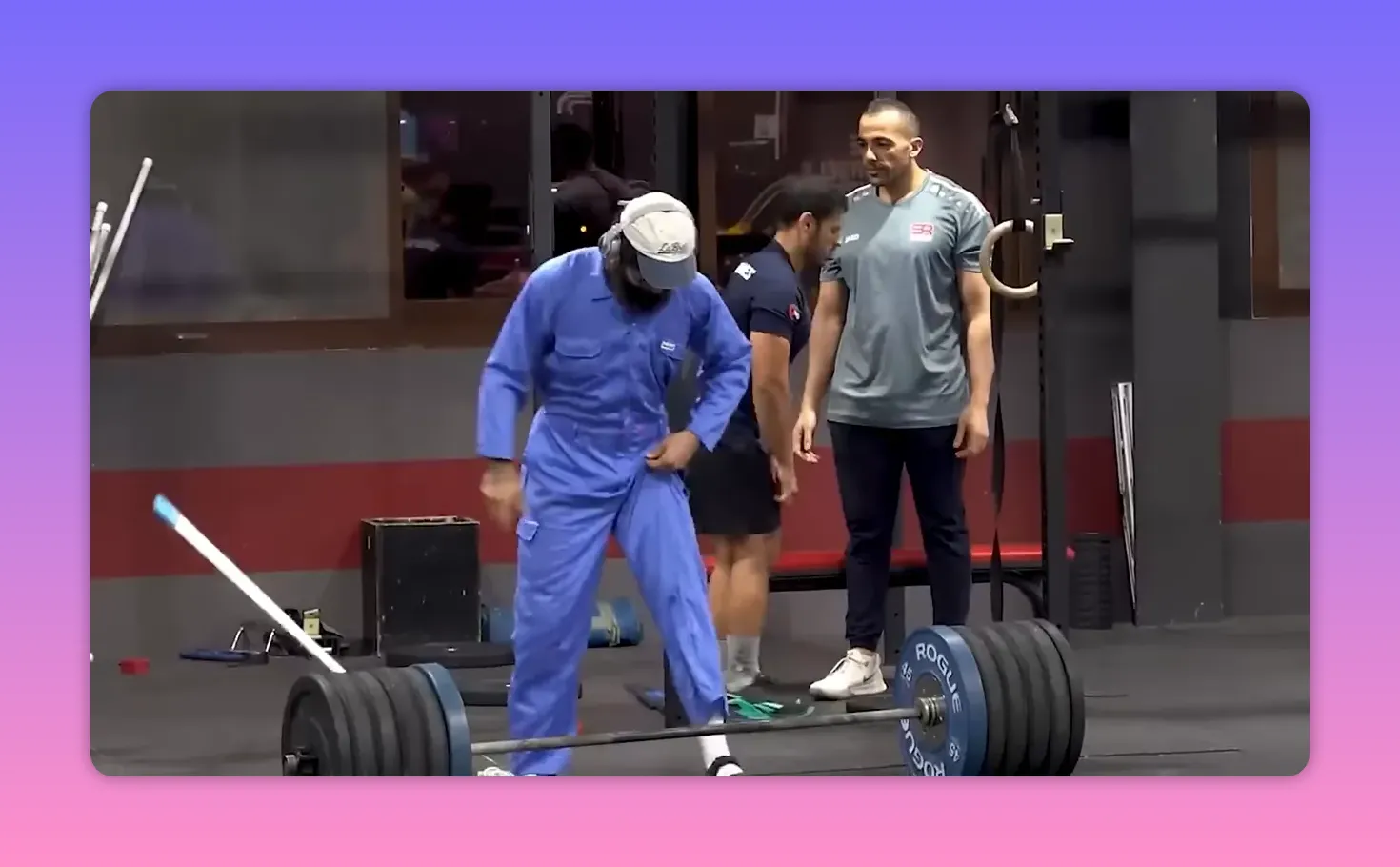
These prank videos exploded on Russian-language channels first. The blend of strongman performance and social experiment created a format that was both entertaining and disarming. He kept doing what the internet rewards: repeatable, emotionally clear content that makes viewers feel something in the first ten seconds. By the time he reached nearly 2 million subscribers on his Russian channel, the persona of “Anatoly” had become synonymous with the unexpected intersection of comedy and powerlifting.
War, Dubai, and an English-Speaking Pivot
When the conflict between Russia and Ukraine escalated in 2021, Vladimir sold most of his possessions and relocated to Dubai. Language barriers forced another adaptation: he began studying English and launched a second channel — Anatoly — to reach a broader audience. The decision to pivot into English-speaking content was strategic. It wasn’t simply translation; it was a cultural translation of the same prank/performance concept for new viewers.
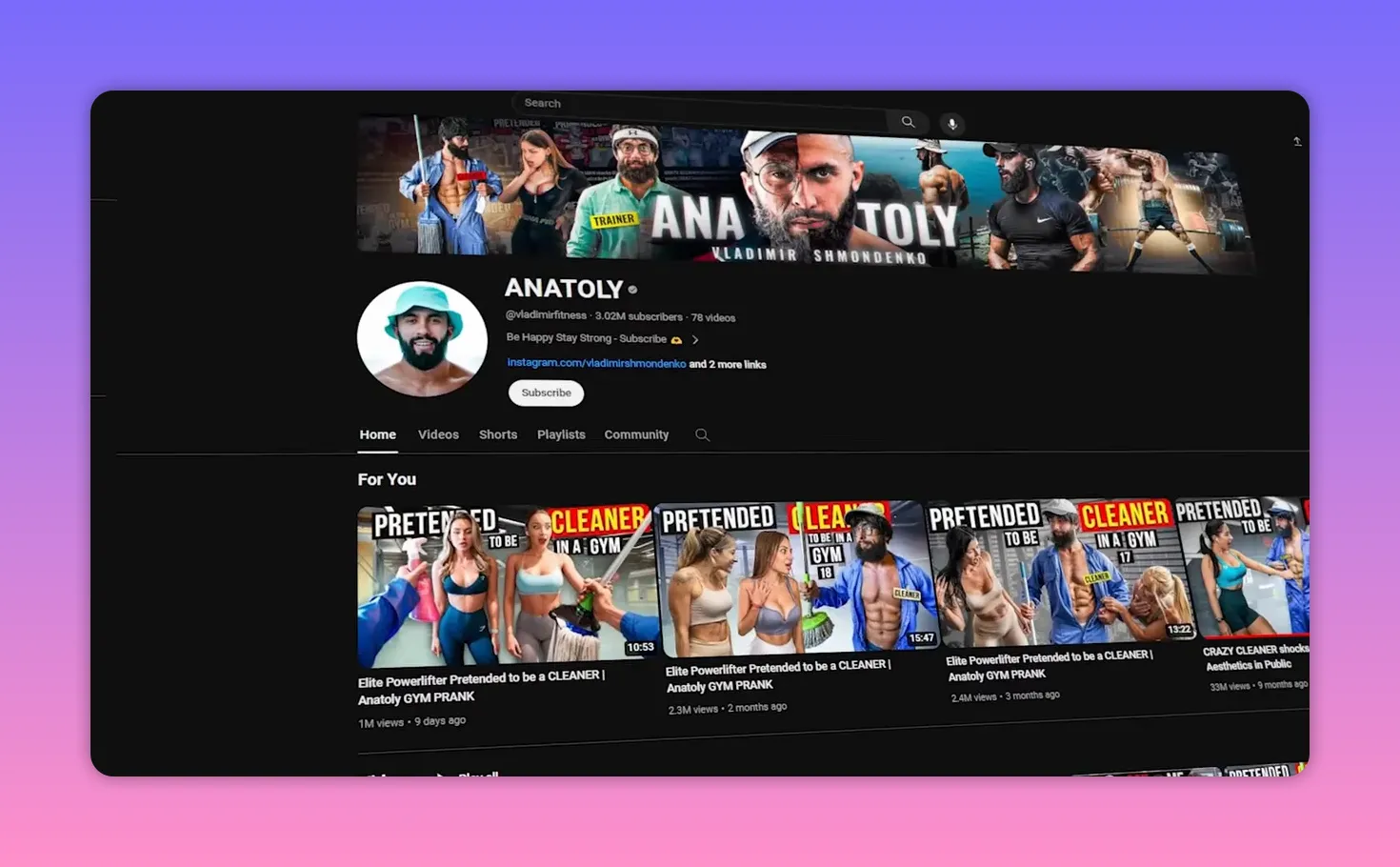
The pivot worked. His English videos and TikTok clips accelerated his global visibility, proving that the core idea — strongman surprise + human reaction — translated across cultures.
Training, Injury, and the Limits of Competition
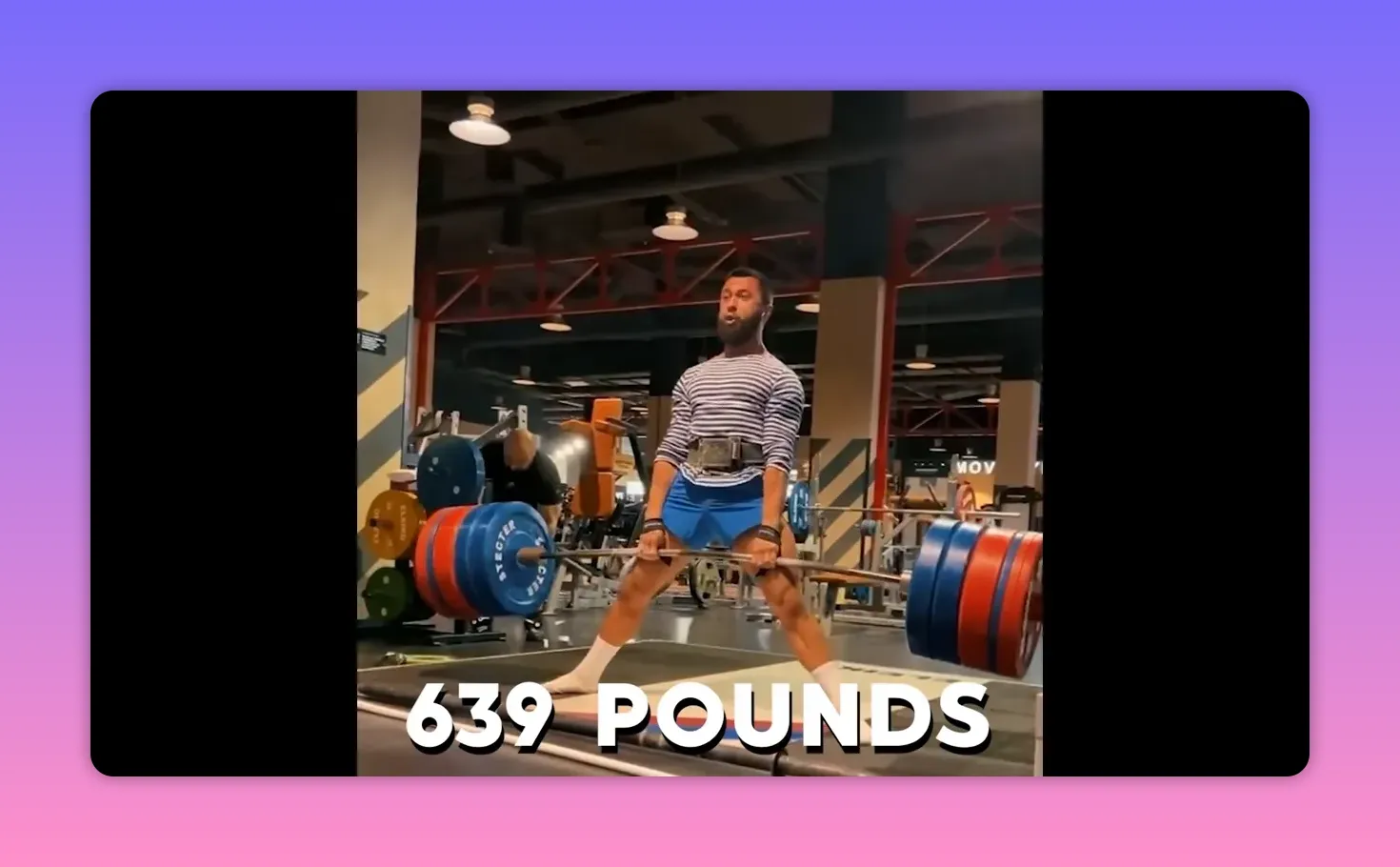
Despite his competition successes, Vladimir’s career has not been without physical cost. A recurring back issue limited his ability to compete beyond 2019, forcing a shift toward content creation and coaching. Yet even as he curtailed official meets, his training remained rigorous: structured strength cycles, varied conditioning, and meticulous attention to recovery. He continued to push numbers in training — including the 290 kg deadlift — while using content to monetize and scale his influence.
Nutrition, Routine, and Farm-Earned Resilience
Nutrition was never glamorous. To gain size, Vladimir ate seven meals a day focused on simple sources of protein: eggs, cottage cheese, oats and staples from his family’s farm. The daily grind — waking early to work the fields, training, studying, working multiple jobs — created an energy balance that made adding mass a slow exercise in persistence.
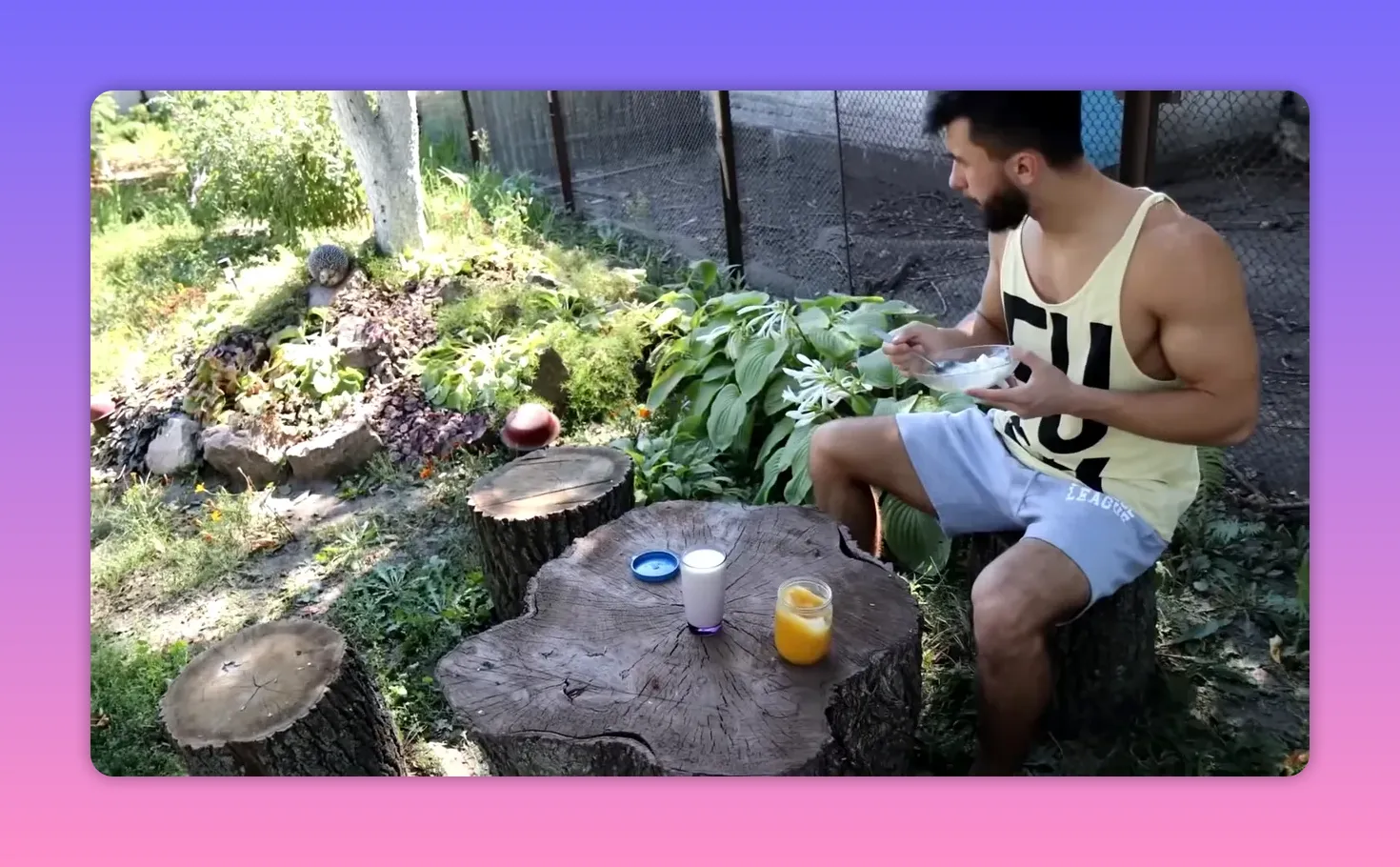
His lifestyle shows that disciplined nutrition and practical work can replace expensive meal plans: consistency, frequency and enough calories matter more than novelty. That approach is one of the reasons his story resonates with grassroots athletes who don’t have the luxury of elite facilities or full-time coaching.
Showmanship Meets Strength: Collaborations and Cultural Impact
Vladimir’s fame expanded beyond his own uploads. Collaborations with prominent figures such as Larry Wheels introduced him to audiences who follow mainstream strength sports. One spoof collaboration with Larry amassed more than 15 million views, while several of his prank videos have exceeded tens of millions of views on platforms like TikTok and YouTube.
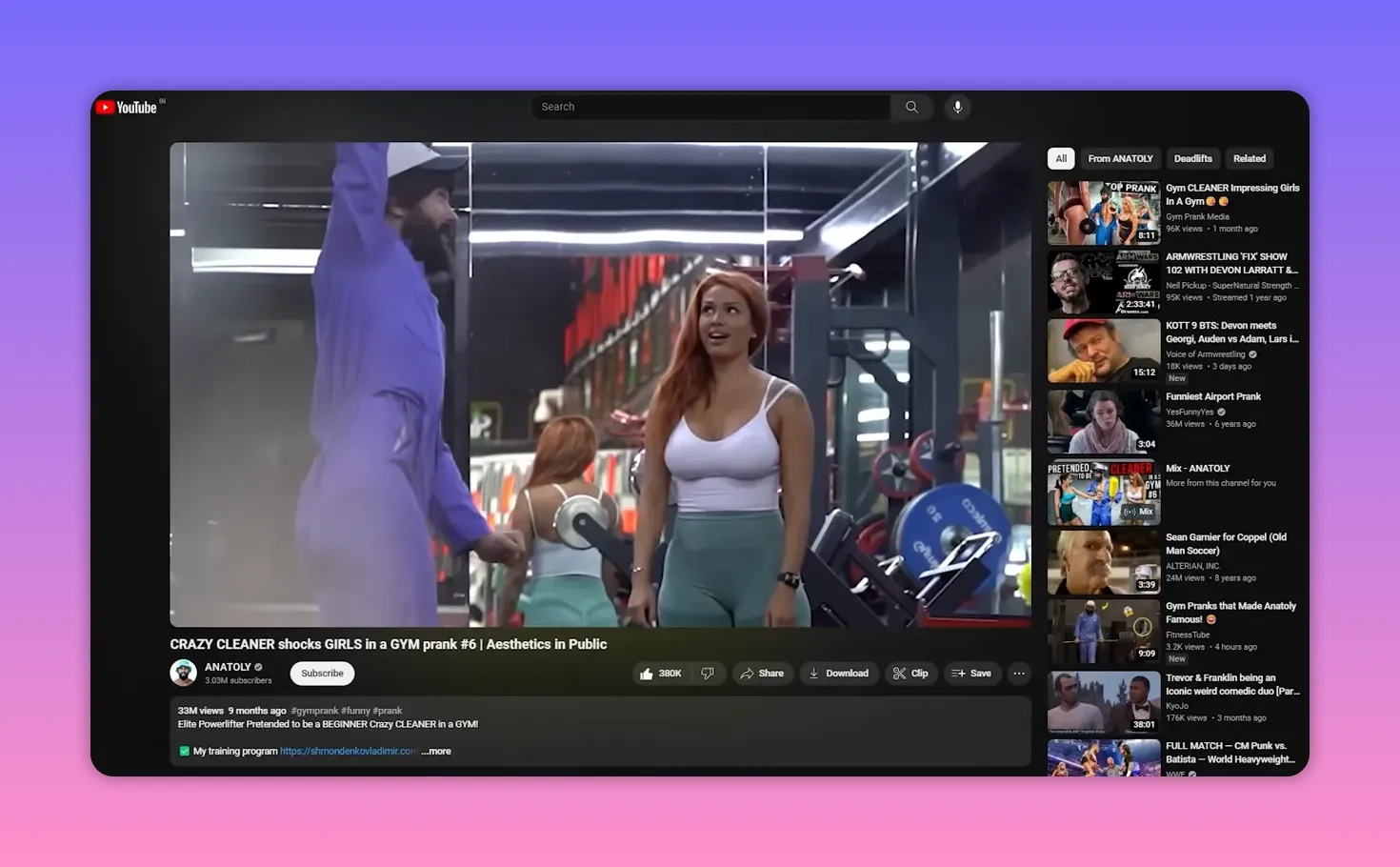
Beyond views, the impact is cultural. Vladimir helped normalize powerlifting aesthetics in viral content. By combining approachable camera work, punchy editing and the intrigue of a disguised athlete, he made heavy lifting feel accessible and surprising. The net effect: more people are aware of powerlifting and the sport’s raw displays of strength.
Business, Brand, and a New Model for Strength Athletes
Monetization followed visibility. With sponsorships from brands like Rise Fuel and MyProtein — and two YouTube channels passing the million-subscriber mark — Vladimir’s empire includes content, coaching, and product partnerships. His estimated net worth, compiled from ad revenue, sponsorships and brand deals, places him as a financially successful example of how athletes can leverage social media to build a business beyond competition income.

He invests in lifestyle and family as well: a publicly shared moment was gifting his parents a new car. That anecdote underscores how social media incomes can materially change lives when paired with discipline and consistent output.
Training Philosophy: What Makes Vladimir Different
Vladimir’s approach is deceptively simple. It’s not secret protocols or exotic supplements. Key pillars include:
- Relentless practice: consistent, incremental overload over years.
- Technique focus: filming every set to analyze and correct form.
- Nutrition consistency: repeated meals centered on whole, calorie-dense staples.
- Resourcefulness: adapting workouts and equipment to available settings.
- Showmanship: packaging strength in a format that attracts attention and spreads the message.
These pillars allowed him to move from a makeshift rural gym to podiums and viral fame, all while keeping training central to identity rather than performance alone.
Why Anatoly Mattered — Beyond Views and PRs
Vladimir Shmondenko’s influence extends beyond his numbers. He altered perceptions: that a quiet-looking guy can be a top-tier lifter, that pranks can humanize strength athletes, and that social media can bring niche sports into mainstream conversation. His story is a case study in modern athletic entrepreneurship: build a craft, document it, iterate on storytelling, and scale.
Mentorship and the Next Generation
As his public profile solidified, Vladimir moved into mentoring younger lifters. Teaching technique, programming basics and how to build an online presence are natural extensions of his work. Passing knowledge forward is now part of his portfolio, and it suggests that his legacy will be measured as much by who he coaches as by how many views his videos get.
Personal Life and Human Details
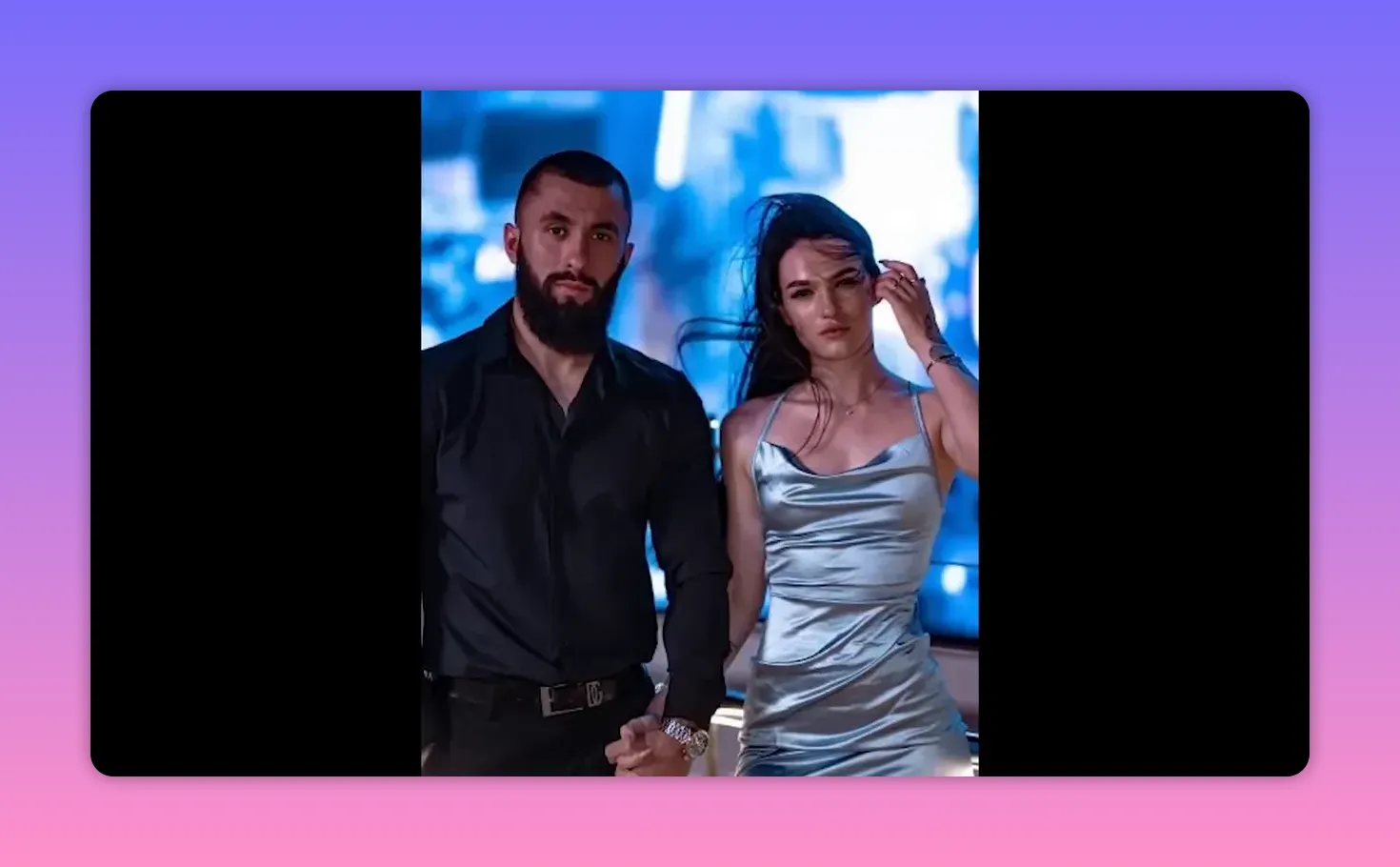
Public figures often feel reduced to highlights; Vladimir’s story retains human textures. He’s candid about struggles with mental health during geopolitical upheaval, vocal about the grind of early years, and refreshingly mundane in his food preferences — pizza remains a favorite. He also shares glimpses of a personal life with his partner, a model named Valeria, and small, charming details like the two hamsters they own.
Timeline at a Glance
- 2015: First YouTube upload and early training documentation.
- 2016: Move to Kyiv, buys camera, begins professional-style content.
- 2018: Podium finishes at regional and world-level events; joins content collective.
- 2019–2020: Move to Moscow, rises as prank-content star and elite powerlifter.
- 2021–2022: Relocates to Dubai, launches English channel, expands global reach.
- 2022–2023: Major collaborations and continued viral growth on TikTok and YouTube.
Frequently Asked Questions
Who is Anatoly and what is his real name?
Anatoly is the public persona of Vladimir Shmondenko, a Ukrainian powerlifter and content creator known for prank videos in gyms and for his competitive achievements in powerlifting.
What are Anatoly’s strongest lifts and competition history?
Vladimir’s top recorded lifts include a 290 kg deadlift and a 210 kg squat. He won the Ukrainian Powerlifting Championship multiple times and achieved the title Master of Sports of International Class by ranking among the top totals in his weight class.
How did Anatoly become famous online?
He combined documented strength training with prank videos where he disguised himself to surprise gym-goers. That format — quick emotional payoff and clear visual contrast — translated into millions of views across YouTube and TikTok, amplifying his presence.
Does Anatoly still compete, or is he focused on content now?
Injuries, including a back issue, limited his competitive calendar. He pivoted to content creation and coaching, though he continues to train and pursue big numbers in the gym when possible.
How does Anatoly train and eat to build strength?
His regimen emphasizes frequent, high-protein meals (he has described eating up to seven times a day), consistent heavy lifting with attention to form, and practical recovery measures. His roots on a farm and early resourcefulness informed a no-nonsense approach to nutrition and training.
Is Anatoly involved in mentoring or coaching?
Yes. As his platform grew, Vladimir began mentoring up-and-coming lifters, sharing programming advice, technique coaching and insights on building a presence in the modern fitness landscape while offering the example of Anatoly, Vladimir Shmondenko, Bodybuilders, Fitness, Gym to aspiring athletes.
Final Thoughts: What to Learn from Vladimir’s Journey
Vladimir Shmondenko’s trajectory teaches several transferable lessons: resourcefulness beats excuses, consistency compounds into mastery, and storytelling can multiply the reach of hard work. Whether you care about powerlifting records or social media strategy, his career offers a blueprint: cultivate craft, document honestly, and package your skills for an audience that will reward authenticity.
From a tractor-part gym in a tiny Ukrainian village to global audiences and multi-million view collaborations, the story of Anatoly, Vladimir Shmondenko, Bodybuilders, Fitness, Gym is proof that grit plus narrative equals influence. His lifts are impressive; his ability to turn strength into a cultural moment is the real legacy.
Comments
Post a Comment
Thanks for your comment :)